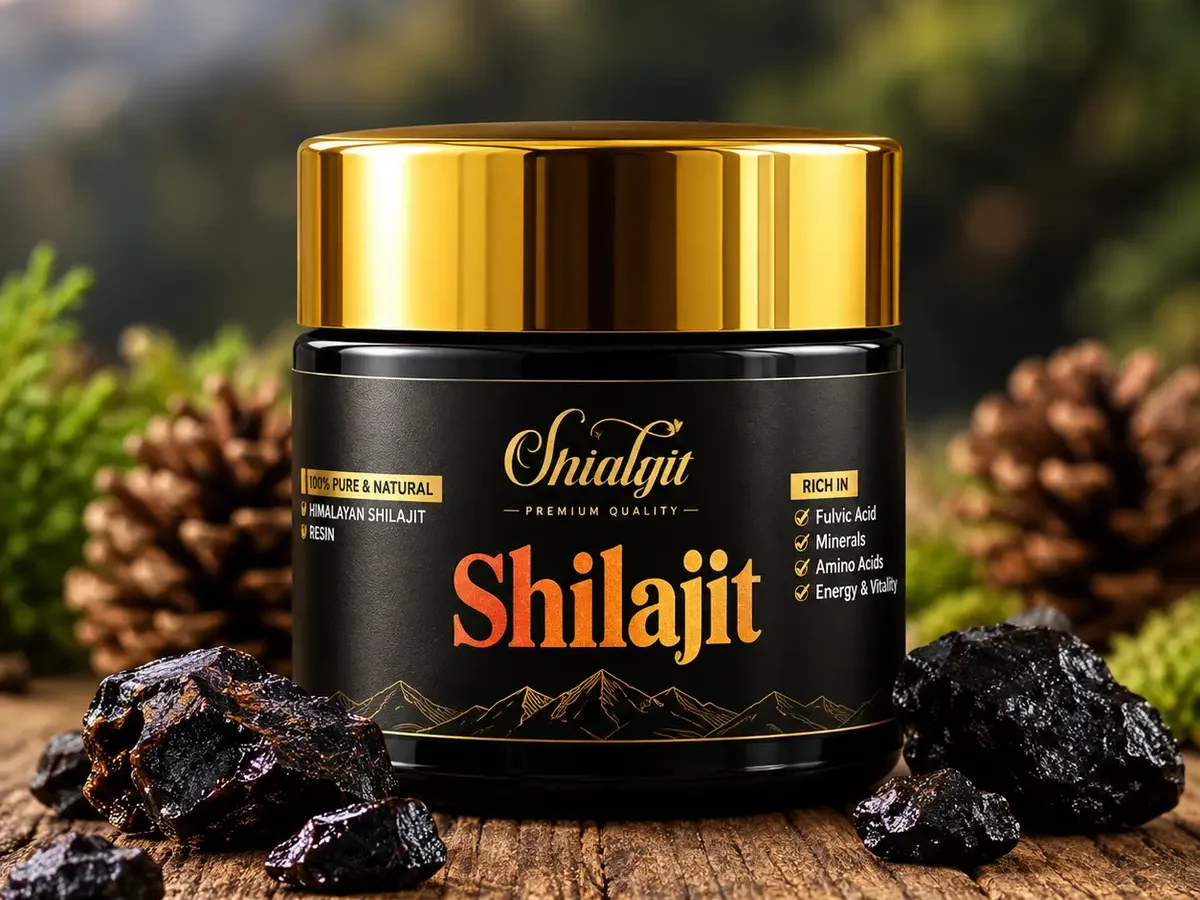
Search “salajeet” and you get pansari shops and desi totkay. Search “shilajit” and you get sleek online brands. Different prices, different packaging, different claims — so it is natural to wonder: are salajeet and shilajit actually the same thing?
Short answer: yes. Longer answer: the name you see tells you a lot about what is actually in the packet. This guide clears up the confusion for Pakistani buyers.
Why Two Names for One Thing?
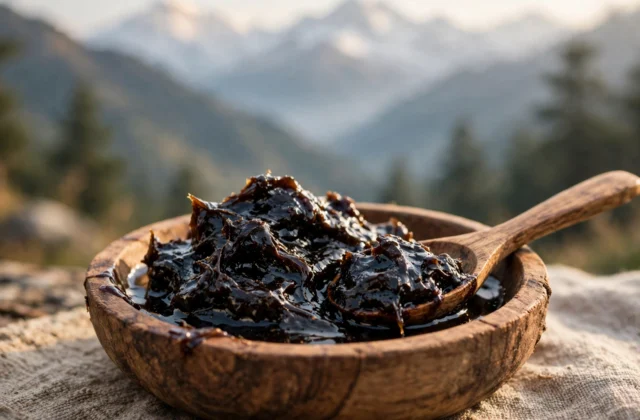
Both words describe the same natural substance: a mineral-rich resin that oozes from cracks in high mountain rocks (the Himalayas, Karakoram and Hindukush ranges) during the hot summer months, formed over centuries from decomposed plant matter.
- Shilajit comes from Sanskrit (shila = rock, jit = conqueror) — the name used in Ayurvedic tradition and, increasingly, by modern Pakistani brands selling online.
- Salajeet (sometimes spelled silajeet) is the Persian/Urdu-influenced pronunciation — the name your grandfather used, and still the standard word in pansari markets across Pakistan.
Same substance, different linguistic roots. When a seller uses one spelling or the other, it usually reflects their market (traditional bazaar vs. modern online store), not a different product.
What Actually Differs: Raw Stone vs Purified Resin
Here is where buyers need to pay attention — because while the name does not change the substance, the form being sold varies enormously:
Raw salajeet stone: Sold in many pansari shops as dark, rock-like lumps. This is the unprocessed exudate, scraped straight from rocks. It contains the genuine resin — but also dust, rock particles and whatever else was on that mountainside. It needs proper cleaning and purification before use.
Purified shilajit resin: The raw material is dissolved in water, filtered through cloth to remove impurities, and then dried — traditionally in the sun (“aftabi” shilajit) — into a clean, usable resin. This is what reputable brands sell.
So the real question is never “salajeet or shilajit?” — it is “raw and unprocessed, or cleaned and purified?” For something you are going to consume, purified resin from a transparent seller is the sensible choice.
Aftabi Shilajit: The Traditional Middle Path
You will often see Salsabeel Khalis describe its product as “aftabi shilajit.” Aftabi comes from aftab, the Urdu/Persian word for sun — it means the resin was purified and dried using sunlight, the traditional method used for generations in Gilgit-Baltistan, rather than industrial high-heat processing. It is shilajit and salajeet — just prepared the old way.
Price Guide: What Should You Pay?
Because both names describe the same substance, prices should be in the same range for the same form and quality:
- Raw salajeet stone (pansari market): Rs. 500–1,000 per 10g — cheaper, but unpurified
- Purified resin (reputable brands): Rs. 1,000–2,000 per 10g — for reference, Salsabeel Khalis Aftabi Shilajit is Rs. 1,200 for 10g
- Anything far below these ranges is a strong signal of dilution or fakery — read our guide on how to identify original shilajit before buying
How Sellers Exploit the Name Confusion
Because most buyers do not know salajeet and shilajit are the same thing, some sellers use the confusion as a sales tool. Watch for these tactics:
- The “premium shilajit” markup. The same purified resin sold as “salajeet” for Rs. 1,000 is relabelled “Himalayan Shilajit” and sold for Rs. 2,500 in fancier packaging. The product did not change — only the price did.
- Fake foreign origins. “Imported shilajit from Russia/China” sounds exotic, but Pakistan sits next to some of the world’s best shilajit sources in Gilgit-Baltistan. An honest local origin beats a glamorous foreign story.
- Salajeet = desi, shilajit = scientific. Some sellers imply salajeet is the “raw desi” version and shilajit the “scientifically proven” one, charging more for the latter. Both are the same resin; purification method and honesty are what you are paying for.
- Miracle-cure marketing. Sellers targeting the “shilajit” keyword often promise cures for specific diseases to justify high prices. No food or traditional resin cures diseases — treat such claims as a reason to avoid the seller, not buy from them.
The defence is simple: compare products by form (purified resin), stated origin, and price per 10 grams — ignoring the poetry on the label.
Frequently Asked Questions
Is salajeet stronger than shilajit?
No — they are the same substance, so neither is inherently stronger. Potency depends on purity and concentration, not on which name is on the packet.
Is salajeet safe to eat raw?
Raw salajeet stone is unprocessed and may contain rock dust and contaminants. Purified resin is the safer choice. Either way, consult a healthcare professional before use — especially if pregnant, managing a condition, or taking medication.
Which is better for a first-time buyer?
Purified resin from a named, transparent brand. You get a consistent product with a stated origin — which is exactly what you need when you are still learning how to spot fakes.
Buy With Confidence
Now that the naming confusion is cleared up, the choice is straightforward: original shilajit in Pakistan — Salsabeel Khalis Aftabi Shilajit, traditionally sun-purified resin from Gilgit-Baltistan. 10 grams for Rs. 1,200, cash on delivery nationwide.
Order on WhatsApp: +92-333-5447668. Need larger quantities? Ask about wholesale rates.