
How to Identify Original Shilajit in Pakistan: 7 Signs of Fake Salajeet
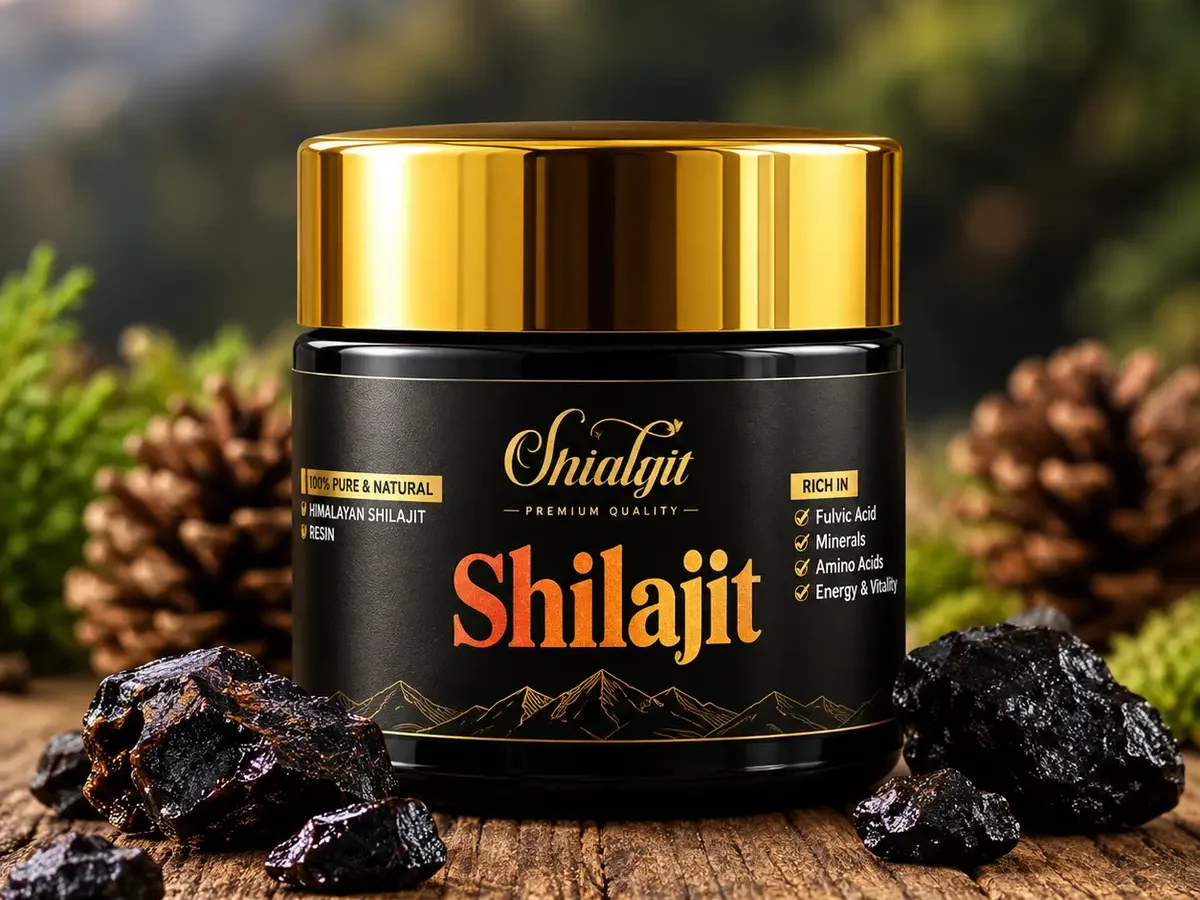
Walk into any pansari market in Lahore, Karachi or Peshawar and ask for salajeet. You will be shown ten different packets, with prices ranging from Rs. 300 to Rs. 5,000 for 10 grams — and every single seller will swear his is “100% original.” Online, it is even more confusing: Daraz listings, Facebook pages and WhatsApp sellers all making the same claim.
The uncomfortable truth is that a large share of cheap shilajit sold in Pakistan is diluted, mixed with fillers, or outright fake. Common adulterants include molasses, burnt sugar and asphalt-like substances that look convincing to an untrained eye. But here is the good news: you do not need a laboratory to protect yourself. These seven practical checks will help you identify original shilajit at home.
1. The Warm-Water Test (Most Reliable)
Take a pea-sized piece of the resin and drop it into a glass of warm — not boiling — water or warm milk. Genuine shilajit dissolves completely within a few minutes, turning the liquid a golden-brown or amber colour. There should be no grit, no sediment and no undissolved lumps at the bottom.
If the piece sits there unchanged, leaves sandy residue, or the water turns an unnatural inky black, you are almost certainly looking at a fake.
2. It Softens With Body Heat
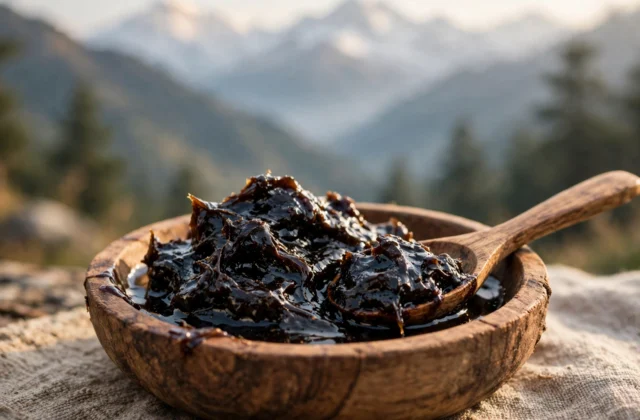
Real shilajit resin responds to temperature. Hold a small piece between your fingers for a minute: it should soften and become pliable from your body heat. In cold weather, the same resin turns hard and brittle, even glass-like.
A product that stays rock-hard in your warm hands, or one that is permanently sticky like chewing gum regardless of temperature, is suspicious.
3. The Taste Test: Bitter, Never Sweet
Touch a tiny amount to your tongue. Original shilajit has a distinctly bitter, earthy taste. It is not pleasant — and that is exactly the point.
If it tastes sweet, like sugar or gur, it has been cut with molasses or burnt sugar. Sweetness is the single biggest giveaway of adulterated salajeet in Pakistani markets.
4. The Smell Test
Genuine resin has a faint, earthy, almost mineral-like smell — subtle, not strong. If the packet hits you with a sharp chemical odour, a perfume-like fragrance, or smells strongly of smoke and tar, walk away.
5. Check the Colour of the Solution
When dissolved (see test 1), real shilajit gives a translucent reddish-brown or amber liquid — similar to weak tea or honey. A solution that looks like black ink, or one that stays almost clear and pale, does not match the profile of genuine resin.
6. The Price Reality Check
Genuine shilajit is collected by hand from high mountain rocks in Gilgit-Baltistan and the Himalayas, then cleaned and purified — a slow, labour-intensive process. That cost has a floor. Anyone selling 10 grams for Rs. 300–500 is not selling you pure resin; at best it is heavily diluted, at worst it is something else entirely.
As a reference, Salsabeel Khalis sells 10 grams of purified aftabi shilajit for Rs. 1,200. Prices far below Rs. 800–1,000 per 10 grams should trigger serious doubt, while prices far above Rs. 2,500 deserve a hard look at what exactly you are paying for.
7. The Seller Is Transparent
Honest sellers tell you three things without being asked: where the shilajit comes from (Gilgit-Baltistan/Himalayan origin), what form it is in (purified resin vs. raw stone), and how it was purified. Be wary of sellers who:
- Promise miracle cures or guaranteed results for specific diseases
- Cannot name the origin region
- Sell only through anonymous WhatsApp numbers with no brand, no address and no return policy
- Pressure you with “limited stock, order now” tactics
A Note on “Lab Tested” Stickers
Many packets in local markets carry impressive-sounding “lab tested” or “certified pure” stickers. Be honest with yourself: as a buyer, you have no way to verify a sticker printed on a packet. Treat such claims as marketing, not proof. The seven tests above, combined with buying from an established brand that states its origin and stands behind its product, are far more reliable than any sticker.
Red Flags in Online Listings
Most Pakistanis now encounter shilajit first on Daraz, Facebook or Instagram — and online listings have their own warning signs beyond the product itself:
- Only stock photos, never the actual product. Genuine sellers photograph their own resin and packaging. Listings using generic Google images are hiding something.
- No brand, no address, no return policy. A WhatsApp number as the entire “business” means zero accountability if the product is fake.
- Exotic origin stories. Shilajit “imported from Russia” or “from China” sold cheaply in Pakistan makes little sense — the authentic Himalayan and Karakoram sources are right here in the north. Unusual origin claims are usually a smokescreen.
- Reviews that all sound the same. A burst of five-star reviews posted within days of each other, all using similar wording, is a classic manipulation pattern.
- Prices that undercut everyone. If every established seller charges Rs. 1,000+ per 10g and one listing offers it at Rs. 350, the listing is not a bargain — it is a different (inferior or fake) product.
A trustworthy online seller looks like any other real business: a proper website, a named brand, clear contact details, stated origin, and a return or replacement policy.
Frequently Asked Questions
Can I test shilajit at home without any equipment?
Yes. The warm-water dissolve test, the finger-warmth texture check, taste and smell require nothing but the product itself and a glass of warm water. Together they catch the vast majority of fakes.
Is all cheap shilajit fake?
Not necessarily fake, but almost certainly diluted or very low grade. Heavy dilution means you would need far more of it for the same amount of actual resin — so the “bargain” is an illusion.
Does real shilajit dissolve in cold water?
Very slowly. Warm water (or warm milk, the traditional way) is the correct medium for the test. Do not judge a sample by dropping it in cold water.
How should I store shilajit resin?
In an airtight container, in a cool, dry place away from direct sunlight. Keep moisture out — resin absorbs it and becomes messy. No refrigeration needed.
How much shilajit should I take daily?
Traditionally, a pea-sized amount (roughly 300–500 mg) dissolved in warm milk or water, once daily. However, you should consult a healthcare professional before starting — especially if you are pregnant, managing a chronic condition, or taking medication.
Buy Original Shilajit in Pakistan
If you would rather skip the guesswork, choose original shilajit in Pakistan from a brand that states exactly what it sells: Salsabeel Khalis Aftabi Shilajit — purified Himalayan resin, 10 grams for Rs. 1,200, with cash on delivery across Pakistan. For more background, read our shilajit benefits, dosage and price guide.
Ready to order? Message us on WhatsApp at +92-333-5447668 — and if you need bulk quantities, ask us about wholesale rates.
2 comments