
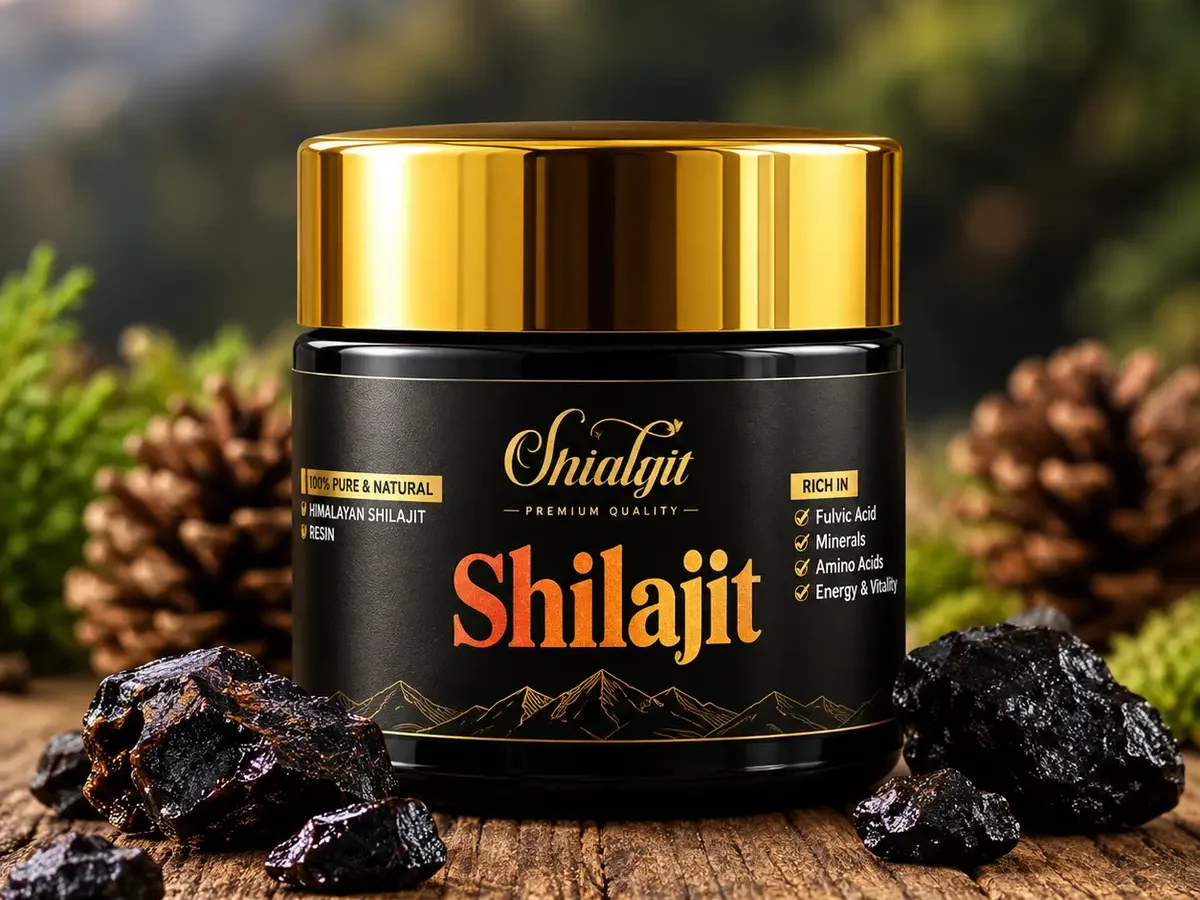
“Aftabi shilajit” — you have seen the phrase on Salsabeel Khalis packaging and wondered what it means. Is it a different type of shilajit? A brand name? A marketing word?
None of those. Aftabi describes how the shilajit was purified — using the traditional sun-drying method practised for generations in the mountains of Gilgit-Baltistan. This article explains exactly what that means, how the process works step by step, and how to use the finished resin.
What Does “Aftabi” Mean?
Aftabi comes from aftab (آفتاب), the Urdu and Persian word for “sun.” In the context of shilajit, it means the resin was purified and dried using sunlight rather than industrial ovens or chemical processing.
The method is simple in principle: after the raw resin is collected from mountain rocks and cleaned, it is spread in thin layers and left to dry under the high-altitude sun of the northern areas. The intense mountain sunlight — stronger and cleaner than the sun in the plains — gradually evaporates the water content while, according to traditional practice, preserving the resin’s natural character.
It is the same approach used for drying apricots in Hunza or making traditional Kishmish — working with the mountain climate rather than against it.
How Aftabi Shilajit Is Traditionally Prepared
While exact methods vary between families and regions, the traditional aftabi process generally follows these stages:
1. Collection
Collectors (often from local mountain communities) gather the raw exudate — sometimes called “shilajit stone” or raw salajeet — from cracks and crevices in high-altitude rocks during the summer months, when heat makes the resin ooze out.
2. Cleaning
The raw material is broken up and dissolved in clean water. This separates the water-soluble resin from rock dust, grit and plant debris, which settle or are filtered out.
3. Filtration
The dissolved mixture is strained — traditionally through fine cloth — to remove remaining impurities. This step may be repeated several times until the liquid runs clear of sediment.
4. Sun-Drying (the “Aftabi” Step)
The filtered liquid is spread in shallow trays or on clean cloth and placed in direct mountain sunlight. Over days or weeks, the water evaporates, leaving behind a thick, concentrated resin. This slow drying is the heart of the aftabi method — no rushing it with high heat.
5. Finishing
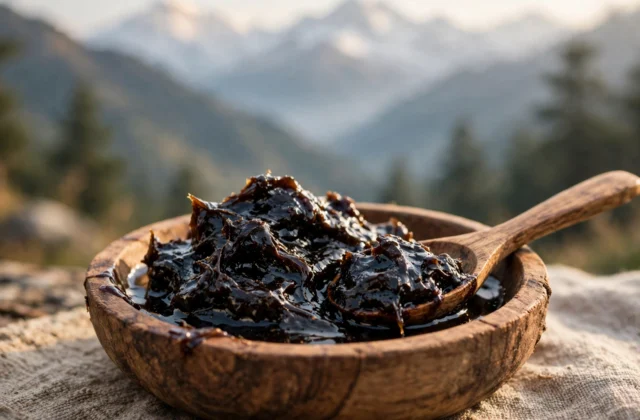
The concentrated resin is collected, checked for texture and consistency, and packed. Properly prepared aftabi shilajit is glossy, dark brown to black, and pliable at room temperature.
How to Use Aftabi Shilajit
The traditional way to take shilajit resin:
- Take a pea-sized amount (roughly 300–500 mg)
- Dissolve it fully in a glass of warm — not hot — milk or water
- Drink once daily, traditionally in the morning
- Do not exceed the traditional amount thinking “more is better”
Important: consult a healthcare professional before starting shilajit — especially if you are pregnant, breastfeeding, managing a chronic condition, or taking regular medication. Shilajit is a traditional wellness product, not a medicine, and it is not a treatment for any disease.
How to Tell Good Aftabi Shilajit
Not all shilajit labelled “aftabi” is equal. Here is what to look for:
- Source transparency. The seller should state where the resin comes from — genuine aftabi shilajit comes from high-altitude regions like Gilgit-Baltistan, not a factory.
- Resin form. Traditional aftabi shilajit is a resin, not a powder or capsule. Powders are harder to verify — read our guide on how to identify original shilajit for the full checklist.
- Realistic price. The collection and slow sun-drying process has real costs. Ten grams of genuine purified resin costs Rs. 1,000–2,000 in Pakistan; anything drastically cheaper deserves scepticism.
- No miracle claims. Honest sellers describe shilajit as a traditional wellness product. Anyone promising cures is selling you marketing, not shilajit — see also our salajeet vs shilajit guide for more on seller tactics.
Frequently Asked Questions
Is aftabi shilajit better than other shilajit?
“Better” depends on what you value. Aftabi refers to the traditional sun-drying purification method — many buyers prefer it because it avoids industrial high-heat processing. What matters most is purity and seller transparency, regardless of method.
How long does aftabi shilajit last?
Stored in an airtight container in a cool, dry place away from sunlight, shilajit resin keeps for a year or more. Keep moisture out — it is the main enemy of resin.
Can I dissolve shilajit in cold water?
It dissolves very slowly in cold water. Warm (not boiling) milk or water is the traditional and practical medium.
Does aftabi shilajit have side effects?
As a concentrated natural resin, shilajit is not for everyone. Consult a healthcare professional before use, particularly if you are pregnant, managing a health condition, or on medication. Stick to traditional amounts.
Where to Buy Aftabi Shilajit in Pakistan
Khalis Aftabi Shilajit from Salsabeel Khalis — traditionally sun-purified resin from Gilgit-Baltistan. 10 grams for Rs. 1,200 with cash on delivery across Pakistan.
Order on WhatsApp: +92-333-5447668 — wholesale enquiries welcome.
1 comment